Elevated Spine Injury Group
  • Home
  • Conditions
    • Annular Tear
    • Herniated Disc
    • Spinal Foraminal Stenosis
    • Spinal Facet Disease
    • Pinched Nerve
    • Degenerative Disc Disease
    • Failed Back Syndrome
    • Spinal Stenosis
    • SI Joint Dysfunction
    • Spondylolisthesis
    • Sciatica
    • Compression Fracture
  • Procedures
    • Kyphoplasty
    • MIS Laminotomy
    • MIS Foraminotomy
    • MIS Microdiscectomy
    • Cervical Disc Replacement
    • ACDF
    • TLIF
    • Thermal Nerve Ablation
    • PRP Injection
  • About
  • Contact
  • More
    • Home
    • Conditions
      • Annular Tear
      • Herniated Disc
      • Spinal Foraminal Stenosis
      • Spinal Facet Disease
      • Pinched Nerve
      • Degenerative Disc Disease
      • Failed Back Syndrome
      • Spinal Stenosis
      • SI Joint Dysfunction
      • Spondylolisthesis
      • Sciatica
      • Compression Fracture
    • Procedures
      • Kyphoplasty
      • MIS Laminotomy
      • MIS Foraminotomy
      • MIS Microdiscectomy
      • Cervical Disc Replacement
      • ACDF
      • TLIF
      • Thermal Nerve Ablation
      • PRP Injection
    • About
    • Contact
  • Home
  • Conditions
    • Annular Tear
    • Herniated Disc
    • Spinal Foraminal Stenosis
    • Spinal Facet Disease
    • Pinched Nerve
    • Degenerative Disc Disease
    • Failed Back Syndrome
    • Spinal Stenosis
    • SI Joint Dysfunction
    • Spondylolisthesis
    • Sciatica
    • Compression Fracture
  • Procedures
    • Kyphoplasty
    • MIS Laminotomy
    • MIS Foraminotomy
    • MIS Microdiscectomy
    • Cervical Disc Replacement
    • ACDF
    • TLIF
    • Thermal Nerve Ablation
    • PRP Injection
  • About
  • Contact

PRP Injection

We understand how frustrating ongoing back or nerve pain can be, especially when it starts to affect your daily life. One treatment option that may help is a PRP epidural injection.


PRP stands for platelet-rich plasma, which is a natural healing substance made from your own blood. Platelets contain growth factors that help reduce inflammation and support tissue repair.


Here’s how the procedure works:

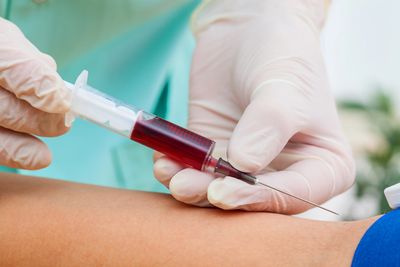
  • First, we draw a small amount of your blood — similar to a routine lab test.
  • That blood is placed in a special machine that concentrates the healing platelets into PRP.
  • Using imaging guidance for accuracy, we carefully inject the PRP into the epidural space around the irritated nerves in your spine.


The goal is not just to temporarily numb the pain, but to support your body’s natural healing process by calming inflammation and helping the affected area recover.


Because this uses your own blood, it’s a very natural approach with a low risk of reaction. The procedure is quick, minimally invasive, and typically done in an outpatient setting.


After the injection:

  • You might feel some soreness for a few days as the healing response begins
  • Improvement is often gradual, building over several weeks
  • Many patients notice reduced pain, better mobility, and improved function over time


This treatment can be a good option if you’re looking to avoid surgery or if other treatments haven’t given you lasting relief.


Our goal with PRP is to help your body heal in a more natural way, so you can get back to moving comfortably and living your life without constant pain.

Contact Us

Copyright © 2026 Elevated Spine Injury Group - All Rights Reserved.

Powered by

This website uses cookies.

We use cookies to analyze website traffic and optimize your website experience. By accepting our use of cookies, your data will be aggregated with all other user data.

Accept